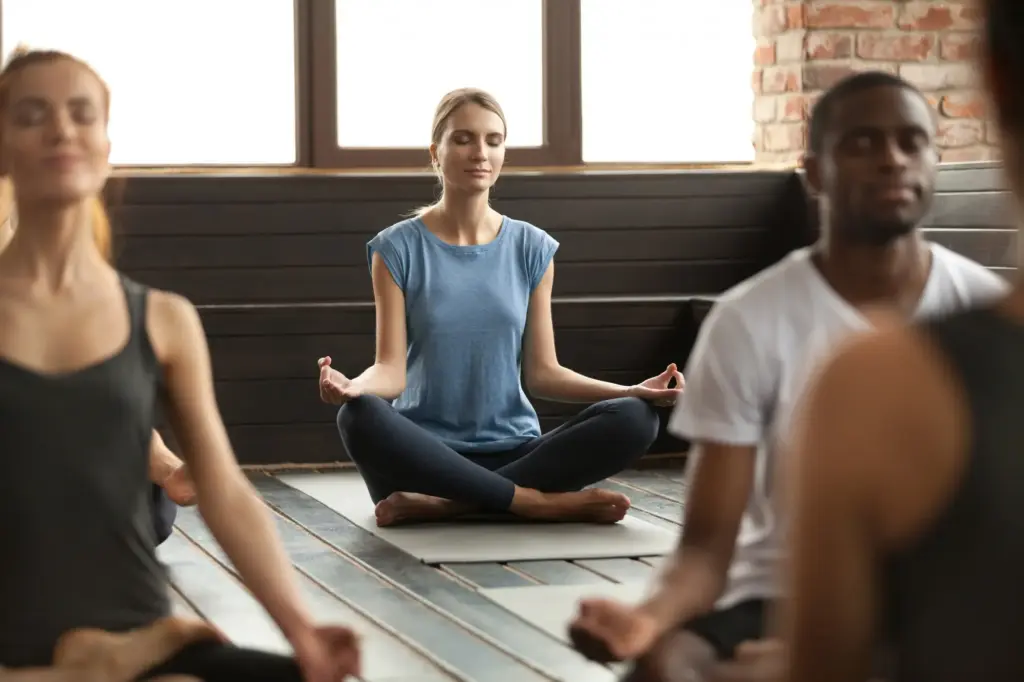
Sixty Seconds to Steady: Breathing That Meets the Moment

Welcome—today we focus on one-minute breathing techniques for stress surges. When pressure spikes without warning, these swift, science-backed practices help you anchor attention, lengthen exhales, and restore control. In just sixty seconds, you can steady pulses, loosen shoulders, and regain clarity, using accessible patterns you can learn quickly and deploy discreetly anywhere.

How a Single Minute Can Shift Your Nervous System

Acute stress narrows focus, speeds the heart, and shortens the breath. Within a minute, deliberate patterns can reverse that cascade by balancing carbon dioxide, stimulating the vagus nerve, and widening attention. You do not need quiet rooms or special tools—only a repeatable sequence that slows exhale, softens the abdomen, and tells your body the immediate threat has passed enough to think clearly again.

The Fast Science Behind Calm

Short, controlled breaths can change chemistry quickly. When you guide inhalations and lengthen exhalations, baroreceptors signal safety and the heart finds a steadier rhythm. This is not mystical; it is body mechanics. Practiced for sixty seconds, the shift is often felt as warmth in the chest, clearer thoughts, and a noticeable drop in muscle tension.

CO2, Not Just Oxygen, Guides the Reset

Many people chase deep oxygen gulps during panic, yet carbon dioxide often holds the key. Gentle breath holds and slower exhales elevate CO2 just enough to dilate blood vessels, ease headaches, and reduce air hunger. That recalibration helps the next breath feel fuller without strain, allowing your brain to interpret the moment as increasingly manageable.

A Practical One-Minute Toolkit You Can Use Anywhere

When the clock is unforgiving, you need simple patterns you can recall instantly. These sequences fit public spaces, busy schedules, and sensitive moments. Choose one, practice when calm, then deploy during spikes. Your goal is repeatability: predictable counts, gentle mechanics, and a consistent finish that leaves you more grounded than when you started, every single time.

Box Breathing, Cleanly Timed to Sixty Seconds

Inhale four, hold four, exhale four, hold four—repeat four rounds. The even corners bring order when thoughts tumble. Keep shoulders relaxed, jaw light, and breathe through the nose if possible. Finishing the minute, notice softer eyes and steadier posture. If dizziness appears, shorten holds and prioritize comfort while preserving the balanced, metronomic cadence.

The Physiological Sigh for Sudden Pressure Spikes

Take a steady nasal inhale, then add a second, smaller sip to fully inflate alveoli. Exhale long and slow through pursed lips, like fogging glass. Repeat three to five times. This rapid venting of carbon dioxide and surface tension relieves chest tightness remarkably fast, often within a minute, creating space for a calmer next action or word.

Pursed-Lip or “Straw” Exhale When You Feel Cornered

Breathe in softly through the nose, then exhale through a tiny mouth opening as if through a straw. The gentle back-pressure keeps airways open and lengthens the exhale naturally. Do six to eight slow cycles in a minute. It is discreet, kind to anxious lungs, and pairs well with quiet self-talk like, “Longer out-breath, lighter shoulders, clearer choices.”

Real-World Moments: Turning Surges Into Pauses
Before a High-Stakes Conversation at Work

Step aside, place one palm on your abdomen, and run a minute of box breathing. With each exhale, imagine releasing urgency, not importance. Picture the first sentence delivered slowly. This quick regulation safeguards tone and listening, helping you surface questions rather than defensiveness, and making complex points land with clarity instead of force.

Stuck in Traffic with Mounting Frustration

Keep eyes on the road and shoulders soft against the seat. Use pursed-lip exhales synced to red lights: inhale gently, exhale twice as long, repeat until movement begins. Let the dashboard become your metronome. The goal is smoother heart rhythms and cooler judgment, so you arrive with energy to spare rather than spending it in gridlock.

Midnight Spiral: Settling the Body So Sleep Can Return

When thoughts accelerate in the dark, avoid big inhales that can wake you further. Try three physiological sighs, then a minute of slow nasal exhales while counting back from thirty. Keep the jaw unclenched, tongue resting gently. Often the body drifts toward drowsiness again, replacing mental loops with a heavier, quieter sense of presence.

Technique Refinements That Multiply Results

{{SECTION_SUBTITLE}}

Nose Over Mouth, Except When Speed Is Essential

Nasal breathing warms, filters, and humidifies air, supporting nitric oxide release that opens blood vessels and encourages calm. Use the mouth when you must vent quickly, like during a physiological sigh, then return to nasal cycles. Over time, training the nose-first habit makes every one-minute reset quieter, subtler, and more effective in shared spaces.

Stretching the Exhale Safely Without Dizziness

A longer out-breath is powerful, yet comfort rules. If lightheadedness appears, reduce holds, shorten counts, and sit down. Think of the exhale as pouring rather than pushing. Shoulders and throat remain relaxed. As fitness improves, let the ratio drift toward one-to-two naturally, building endurance for calm without straining sensitive airways or agitating an anxious chest.

Building a Micro-Habit That Actually Sticks
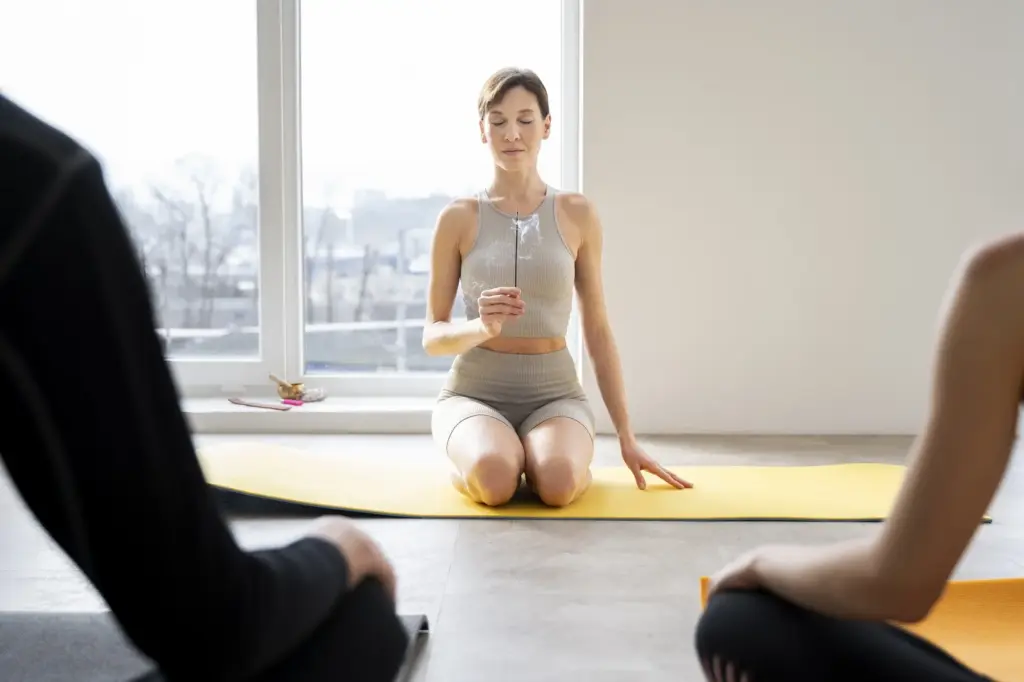
A single minute is easiest to repeat when it rides existing routines. Link breathing to opening your laptop, waiting for coffee, or stepping through doorways. Track tiny wins you can celebrate. When a surge arrives, the body remembers the association and follows it. Habit makes the practice available exactly when you cannot afford to search for it.

Stories, Community, and Your Next Experiment

Breathing belongs to everyone, and stories carry skills across days. Share what worked, what did not, and which minute felt most helpful under pressure. When we exchange methods, we build collective wisdom. Consider inviting a partner or colleague to try a shared minute. Joint practice lowers barriers, encourages accountability, and makes difficult moments feel less solitary.
Moridexoloropalosento
Privacy Overview

This website uses cookies so that we can provide you with the best user experience possible. Cookie information is stored in your browser and performs functions such as recognising you when you return to our website and helping our team to understand which sections of the website you find most interesting and useful.